From Large-Scale Mowing to Thriving Biodiversity: Kozmice Bird Meadows Continue to Expand
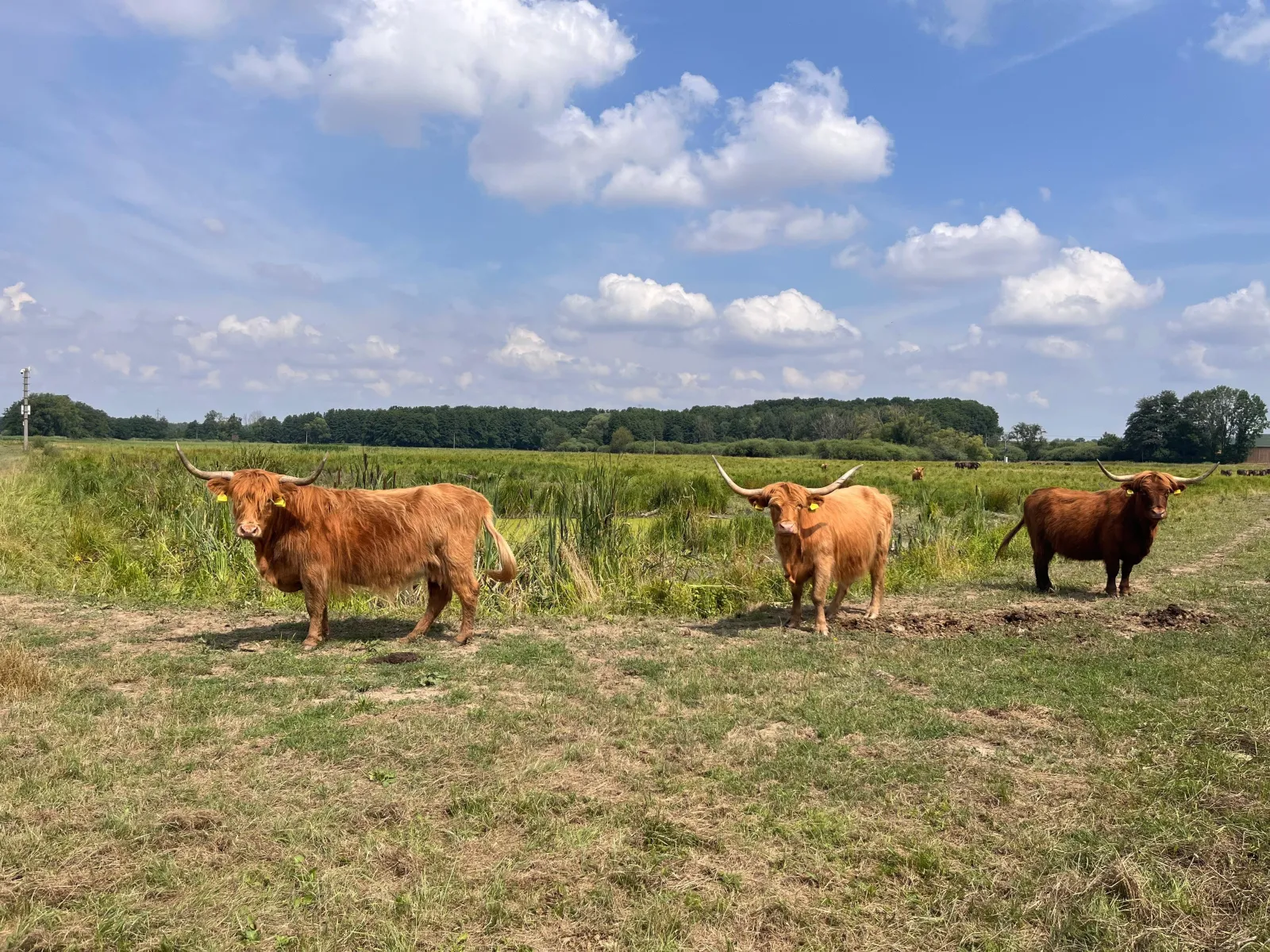
The Kozmice Bird Meadows, a nature reserve owned and managed by the food company Semix from Otice in the Opava region, are undergoing another transformation. The reserve, which now covers seventy-five hectares gradually acquired from former landowners, has recently been expanded to include additional plots that were previously farmed intensively through large-scale hay mowing.
These new areas, thanks in part to support from the local water management company, have now been incorporated into the protected reserve. Here, conventional mechanized farming is being replaced by extensive grazing, a practice that is key to restoring species diversity, or biodiversity in modern ecological terms.
In the past, as in many other parts of the country, especially during the era of centrally planned agriculture, herbicides were routinely applied to these meadows. The aim was to establish pure grass stands yielding biomass that dried faster to be used as hay. However, this approach severely depleted the seed bank of native wetland plants.
Today, the priority is to return these meadows to a more natural state. Marie Vavrečková, environmental specialist at Semix and one of the people involved in managing the site, explains why grazing is particularly suitable for restoring habitats of this kind: "Cattle graze like lawnmowers, they don't pick and choose. Horses, on the other hand, graze grasses, especially grasses. That makes them ideal for sites that were previously affected by herbicide use." By suppressing dominant grass species, horses create space for rare plants to re-establish themselves, including the marsh lousewort (Pedicularis palustris), a glacial relict that, after years of decline, is beginning to thrive here once again.
New Fencing Designed in Harmony with Nature
To support extensive grazing, new infrastructure had to be installed throughout the reserve. The new sections of fencing have been designed with both environmental sustainability and the specific conditions of this flood-prone landscape in mind.
"Our fences are made from black locust wood. It's a very durable material, and black locust is one of the most natural options available," explains Marie Vavrečková. The black locust fencing is also fully mobile. "The fence posts are movable; nothing is set in concrete, which means we can relocate them whenever necessary," adds the environmental specialist. This flexibility allows the reserve managers to respond to changes in the landscape and to the hydrological dynamics of the wetland habitat.
Visitors See Only Part of the Reserve
At present, around 50 animals graze within the reserve. Alongside Highland cattle, 26 wild Exmoor ponies from England help maintain the meadows. Their movement across the landscape creates so-called natural disturbances, patches of trampled, exposed soil that are essential nesting habitats for wading birds such as the northern lapwing.
The entire system is further supported by an elaborate network of pools and ponds regulated by sluice gates, which help retain water in the landscape. Marie Vavrečková emphasizes that the objective is to protect the ecosystem as a whole: "We strive to protect everything we can, from turtles and butterflies to birds. That means a great deal of compromise and a great deal of work."
The expansion of the reserve is far from over. A fourth phase of the Kozmice Bird Meadows project is already being planned. Among the key future initiatives is the conversion of a neighbouring 12-hectare arable field to organic farming, which from next year will provide additional safe nesting habitat for lapwings and plovers.
This phase is also expected to include the creation of a new water body that will retain water during dry periods while offering a peaceful habitat for a wider range of wildlife species.
Thanks to the collaboration of companies such as Semix and SmVaK Ostrava, the Kozmice Bird Meadows demonstrate that land once used for intensive hay production can, under expert management and with the help of large grazers, be transformed into a unique natural oasis.
Contact:
Mgr. Marek Síbrt
spokesman
Severomoravské vodovody a kanalizace Ostrava a.s.
28. října 1235/169, Mariánské Hory, 709 00 Ostrava.
phone +420 725 500 509
e-mail marek.sibrt@smvak.cz
www.smvak.cz